
Making a listing impression
Types of product knowledge
Offer practical experiences
Making a listing impression
Types of product knowledge
Offer practical experiences
Making a listing impression
Types of product knowledge
Offer practical experiences
Making a listing impression
Types of product knowledge
Offer practical experiences
Making a listing impression
Types of product knowledge
Offer practical experiences
Making a listing impression
Types of product knowledge
Offer practical experiences
Limited-time savings
Value-added service bundles
Suitable for new projects
Limited-time savings
Value-added service bundles
Suitable for new projects
Limited-time savings
Value-added service bundles
Suitable for new projects
Limited-time savings
Value-added service bundles
Suitable for new projects
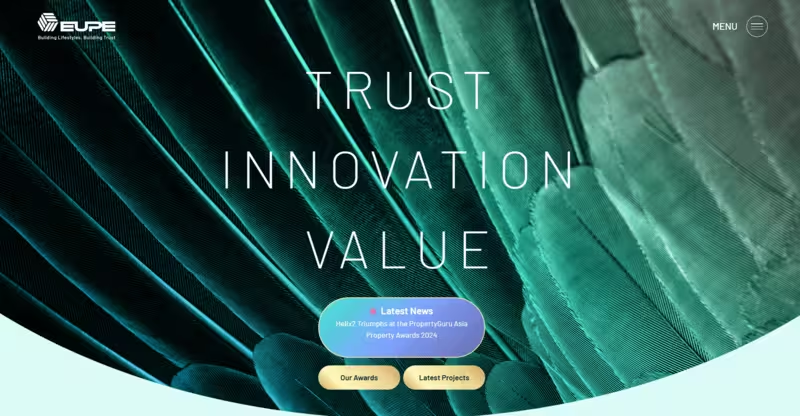 EupeProperty Development – Residential & Sustainable CommunitiesEupe Corporation is a Malaysian property developer behind award-winning residential projects and sustainable communities.
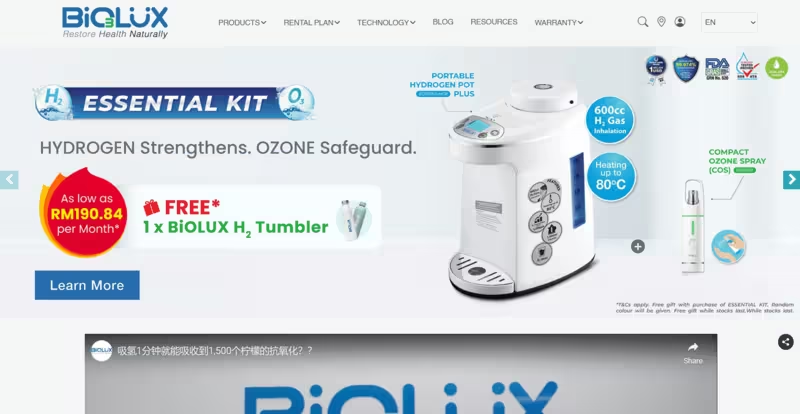 Biolux AsiaHealth Technology – Ozone & Hydrogen Hygiene DevicesBiolux offers ozone disinfection systems, hydrogen-based wellness devices, and sanitation solutions. View archive





Discover how we help brands build impactful digital experiences through strategy, design and development.
Building a successful blog requires more than publishing articles. Our structured blog website design and development process ensures your blog is optimized for SEO, content marketing, and long-term audience growth. Powered by Larvee Blog, every blog we build is designed for performance, scalability, and business impact.
Our blog website development process is designed to help businesses launch professional blogs that support SEO, content marketing, and long-term audience engagement. From strategy planning to post-launch optimization, each step ensures your blog platform is built for performance, scalability, and business growth.
Understanding your blogging goals, target audience, and content strategy.
Laying the groundwork for a high-performing and engaging blogsite.
Choose between a pre-designed theme for quick deployment or a custom design for a unique look.
Building the blogsite with functionality and user experience as priorities.
Adding your blog’s initial content for a professional launch.
Ensuring a flawless blogging experience across all devices and browsers.
Conducting a final review to ensure your blogsite meets expectations.
Making your blogsite live and accessible to your readers.
Keeping your blogsite updated, secure, and optimized for ongoing growth.